Transcontinental Monthly
Martin EdenTranscontinental Monthly is a literary magazine whose dignified appearance promises a world of artistic recognition but whose treatment of Martin Eden reveals an unstable business and an exploitative relation to writers. Its publication of his story brings praise without the payment he needs: the magazine’s public authority and its actual ability—or willingness—to meet its obligations pull sharply apart.
Identity and Public Standing
Transcontinental Monthly presents itself as an established, first-class publication. It sells for twenty-five cents, has appeared continuously since before Martin was born, and carries a dignified, artistic cover. The cover also prints each month words by a celebrated writer whose early work had appeared inside the magazine. These signals give Martin reason to trust its standing and its claims about professional writing. The magazine’s longevity and literary associations are not simply decorative to him; they make its later failure to pay seem like evidence about the publishing business as a whole.
That impression is misleading. The narration describes Transcontinental Monthly as a low-grade periodical without genuine standing, its circulation unstable and supported partly by bullying and partly by appeals to patriotism. Its advertisements amount to little more than charitable contributions. The contrast between its polished cover and its precarious operation makes the magazine an especially potent example of respectability as a surface: it can look like a secure home for serious writing while lacking the means, or the practice, to pay contributors promptly.
Martin’s Story and the Broken Promise
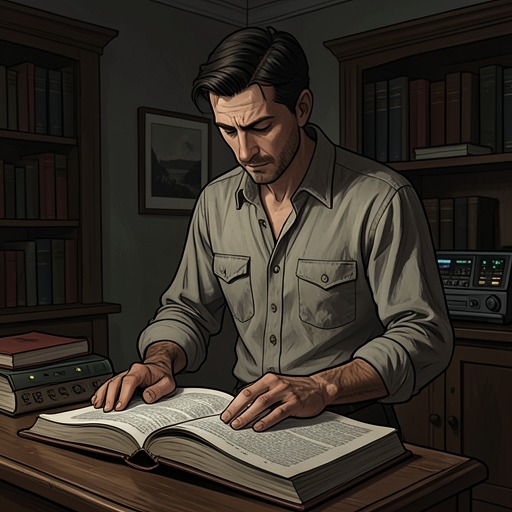
Martin’s expectations crystallize around “The Ring of Bells,” a five-thousand-word horror story accepted by Transcontinental Monthly. When a thin envelope arrives, he assumes that the absence of a returned manuscript means acceptance and that a check must be enclosed. Believing the magazine pays two cents a word upon acceptance, he calculates that the story will earn one hundred dollars. The imagined sum briefly becomes a practical rescue: he mentally totals overdue groceries and rent, payments on his typewriter, and the pledges he must redeem from the pawnbroker. After all those obligations, he expects to have $43.90 left, with rent paid ahead as well.
The letter contains no check. It praises the story but says Martin will be paid only when it is published, and the eventual payment is five dollars for the entire five thousand words. The shortfall overturns not only his calculation but his understanding of the profession. He takes the magazine’s rate as proof that the public reports he had trusted about writers’ earnings were false, regrets the time spent trying to write, and resolves to seek ordinary employment. The force of the reversal lies in the distance between his imagined hundred-dollar check and the actual five-dollar fee: literary approval arrives, but it cannot meet the material need that gave the approval meaning.
Business Practices and Unpaid Work
Publication does not bring the five dollars. Martin writes to request payment and receives an evasive reply that asks for more work instead. He writes twice a week thereafter, eliciting an answer only occasionally. Meanwhile, he has gone hungry for two days while waiting for a reply and pawns his bicycle again. The story has been printed, but the fee remains outstanding; praise and publication do not protect the writer from the consequences of nonpayment.
The magazine’s underlying finances explain its behavior without excusing it. Its editor and business manager depend on it for their livelihood, yet can sustain themselves only by moving to avoid rent and declining to pay bills whenever they can evade them. The particular five dollars owed to Martin has been taken by the business manager to paint his own house in Alameda. He does the work himself because he cannot afford union wages; a previously hired nonunion painter had been injured after someone jerked away his ladder. The episode places Martin’s unpaid fee within a wider chain of strained livelihoods and labor conflict, while making the manager’s use of the money unmistakably personal.
Confrontation and Narrative Significance
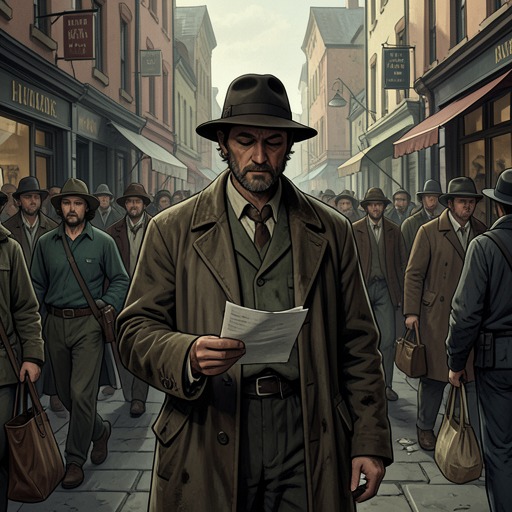
By Thanksgiving, Martin is again in acute financial difficulty: earnings from hack work do not cover expenses, and his black suit is in pawn, leaving him unable to accept the Morses’ dinner invitation. He tells Ruth Morse he will go after the five dollars owed by Transcontinental Monthly and redeem the suit. To reach San Francisco, he borrows ten cents from Maria Silva; he has no further fare if the collection fails. The smallness of this sum sets the stakes of the journey in stark relief.
At the office, Martin finally identifies his purpose as collecting the promised payment for “The Ring of Bells.” Editor Ford begins to reach for his pocket, then claims to have left his money at home. Mr. Ends says he has just paid the printer and has no ready change, but Martin sees his movement toward his pocket and understands that the money is there. The encounter does not establish that Martin is paid; instead, it ends with the fee still withheld and the office’s explanations exposed to his scrutiny. Across the episode, Transcontinental Monthly converts the prestige of publication into a false assurance: its praise helps validate Martin’s work, while its delayed and inadequate payment intensifies the poverty that makes continued writing nearly impossible.